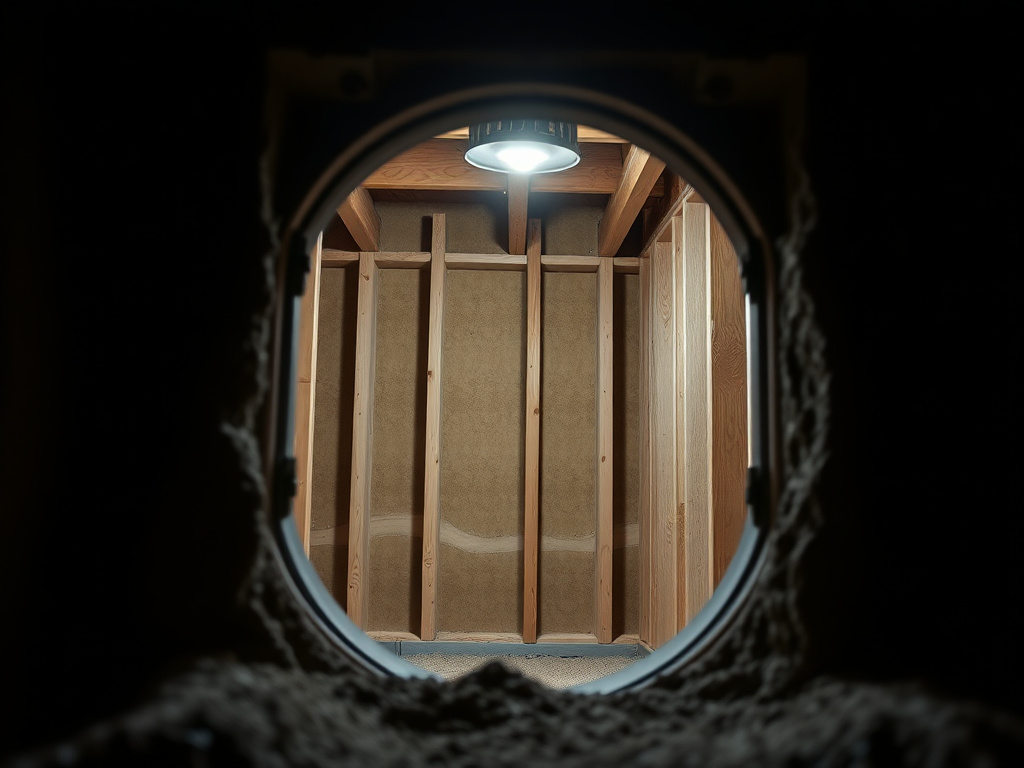
Spray Foam Insulation Cost Guide for Sedona, AZ Homes (2026)
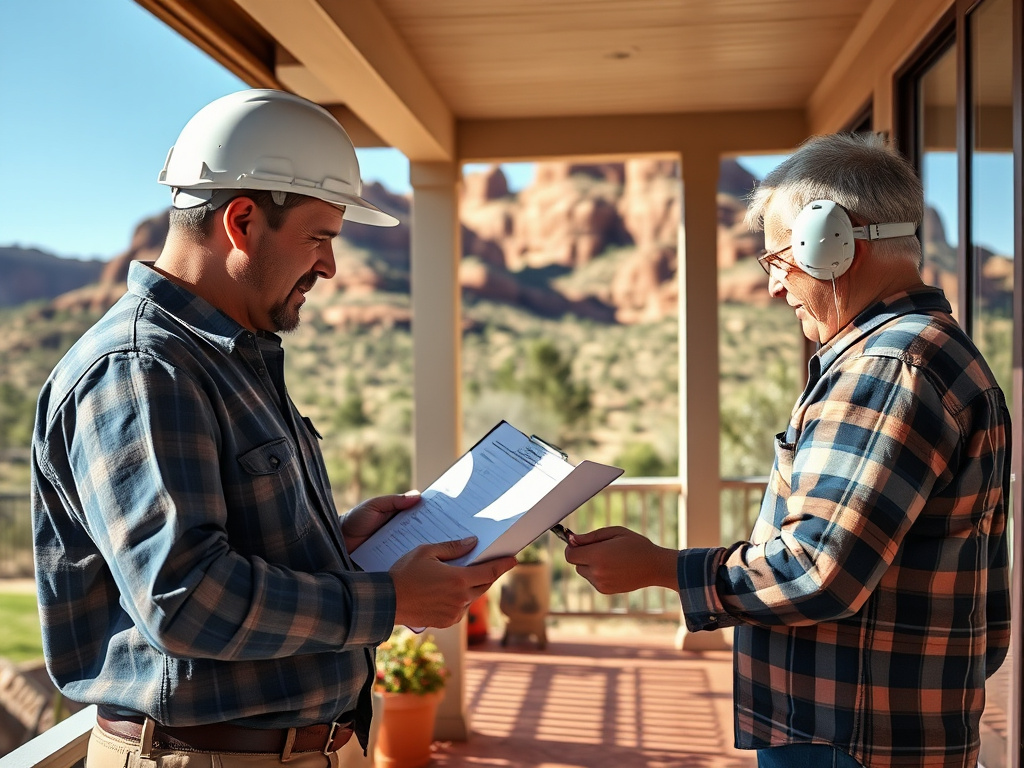
If you've priced spray foam contractors in Sedona and gotten quotes that vary more than you expected, that's normal — spray foam pricing genuinely depends on more variables than fiberglass batts or blown-in insulation, and Sedona's mix of foundation types and custom home designs adds a few extra variables that a flatter, more uniform market like Phoenix or Mesa doesn't have.
This guide breaks down real-world cost ranges by area of the home, explains why open-cell and closed-cell price out differently, and walks through the math homeowners actually care about: how spray foam stacks up against what you're currently paying to heat and cool a Sedona-area home through a full, two-season climate. Every number here is a typical range, not a quote — your home's framing, foundation type, access, and existing insulation condition all move the final price, which is why we push toward a free on-site assessment before committing to a number.
Typical cost per square foot
Across the industry, spray foam insulation typically runs $1 to $5 per square foot installed, averaging around $3 per square foot. Open-cell foam sits toward the lower end of that range; denser, higher-R-value closed-cell foam sits toward the higher end. Most professional installers also carry a minimum job charge, commonly in the $1,500-$2,500 range, which matters if you're pricing a small, contained project like crawl-space-only coverage.
Cost by area of the home
- Attic (attic-floor application): typically the most cost-effective way to cover the largest heat-gain-and-loss surface in the house.
- Attic (roof-deck / conditioned attic): higher cost than attic-floor since it covers more surface area, but protects any HVAC ductwork running through the attic year-round.
- Crawl space: often a smaller, more contained project — and one that's far more common in Sedona's stem-wall-foundation housing stock than in a flat, slab-dominated market.
- Interior walls: priced per board foot of wall cavity; open-cell is typically the more budget-friendly choice here.
- Whole-home new construction: the most cost-effective way to insulate on a per-square-foot basis, since framing is open and access isn't a factor — common on Sedona's many custom-built homes.
Why open-cell and closed-cell price out differently
Closed-cell foam uses a denser chemical formulation, delivers roughly R-6 to R-7 per inch versus open-cell's R-3.5 to R-4, and typically requires more application skill — all of which shows up in a higher per-board-foot price. That premium is worth paying for roof decks with limited depth, crawl spaces where moisture control genuinely matters, or anywhere structural rigidity helps. For standard interior walls and vented attic floors, open-cell usually delivers comparable real-world performance for less money.
The two-season energy math
Unlike Phoenix or Mesa, where insulation math is almost entirely about summer cooling, Sedona's Zone 4B climate means an under-insulated, poorly air-sealed home loses money in both directions — extra AC runtime on the roughly 20 days a year that top 100°F, and extra heating runtime on cold winter nights at 4,350 feet of elevation. Industry estimates suggest a properly executed spray foam retrofit can meaningfully reduce energy costs for a home starting from thin or gap-riddled insulation, with payback commonly cited in the 3-6 year range depending on your home's starting condition and local utility rates. These are industry-typical ranges, not a guarantee — the bigger your home's current air-leakage problem, the bigger the realistic savings opportunity in both seasons.
Frequently asked questions
Attic-floor coverage with open-cell foam is typically the most cost-effective option for whole-home impact. If cold floors are your main complaint, crawl-space wall insulation is often a smaller, more contained project with a clear, noticeable payoff in the specific rooms above it.
Financing availability varies by contractor and project size. Ask about options during your free on-site assessment — for larger whole-home or new-construction projects, financing can make a meaningful upgrade more manageable upfront.
Ready for a free quote?
Tell us about your home and we'll build a clear, no-pressure quote.