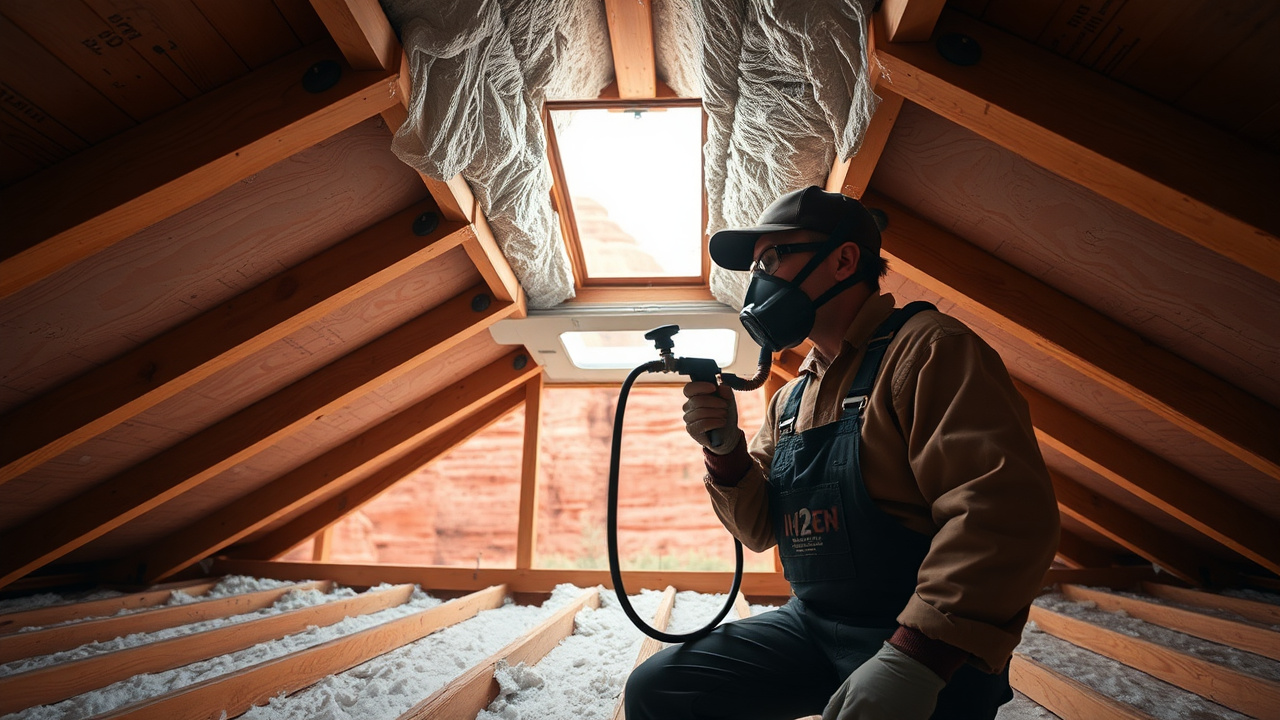
Built for real Sedona seasons.
Spray foam insulation for Sedona, Arizona homes — IECC Climate Zone 4B, roughly 4,350 feet of elevation, hot red-rock summers and real winter cold. Open-cell and closed-cell foam for attics, walls, crawl spaces, and custom new construction, built to stop heat and cold before either one reaches your thermostat.
A more comfortable home, year-round
Tell us about your home — cold floors above a crawl space, a hot upstairs in summer, or a new custom build — and we'll build a clear, no-pressure quote.
- Cut both cooling and heating bills
- Stop heat and cold at the source
- Zone-4B-appropriate R-values
Sedona's climate runs on both heat and cold. Your insulation should be built for that.
Sedona sits in IECC Climate Zone 4B — a mixed-dry, transitional high-desert climate, not the hot-dry Zone 2 climate of Phoenix or Mesa. Summer highs regularly reach the low-to-mid 90s and about 20 days a year top 100°F, but the roughly 4,350-foot elevation also brings real winter cold. Industry guidance for Zone 4 homes generally points to attic insulation in the R38 to R60 range, and a lot of Sedona-area homes, especially older ones, are running below that.
Spray foam insulation is built for exactly this kind of two-season climate. It insulates and air-seals in a single application, stopping the infiltration that drives up both summer cooling costs and winter heating costs — and closing the gaps that fiberglass batts lie across without ever sealing. Sedona's sloped terrain also means a meaningfully different foundation mix than a flat desert market: stem-wall construction with crawl spaces is common here, which changes where the biggest opportunities are.
We're a dedicated spray foam insulation specialist for Sedona and the Verde Valley — not a generalist treating every Arizona climate the same way.

Complete spray foam insulation for Sedona homes
From attic heat-and-cold control to crawl-space fixes to whole-home custom new construction — click any service to see how it works, what it costs, and why it fits Sedona's climate.
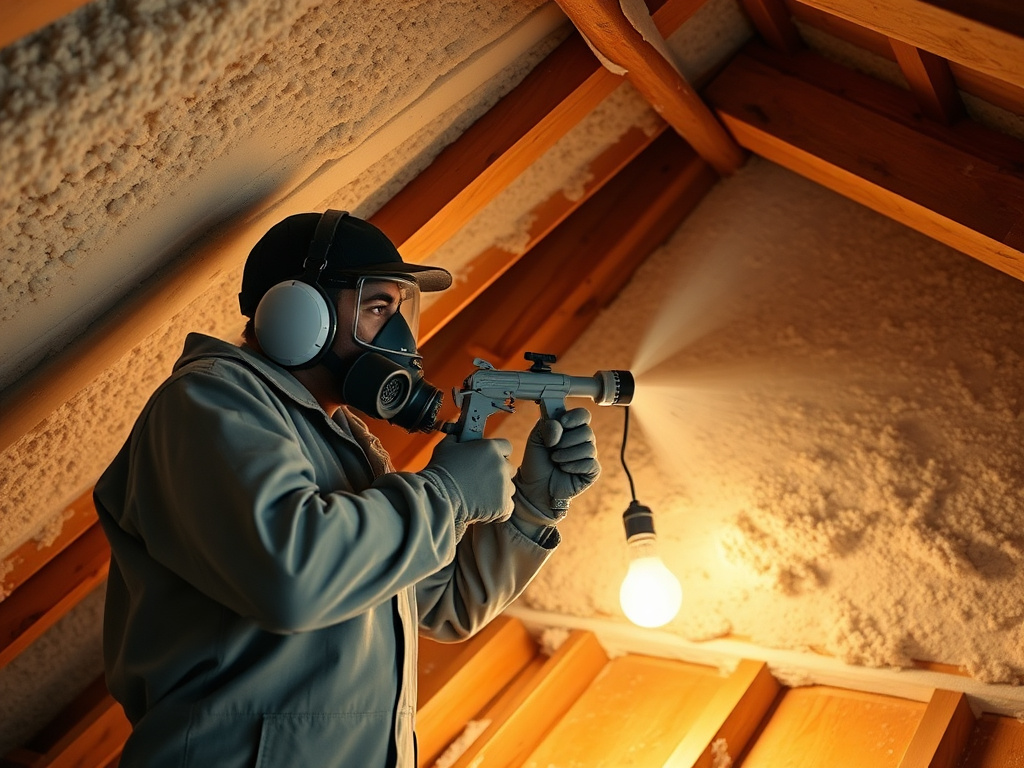
Comfort and savings, built for red-rock country.
Two-season climate control
Sealing the attic, walls, and crawl space stops both summer heat gain and winter heat loss at the source, instead of just asking your HVAC system to keep up.
Zone-4B-appropriate R-values
We build to industry guidance for high-desert Zone 4 homes — attic R38-R60 — not a generic one-size-fits-all number borrowed from Phoenix.
Local, honest advice
We recommend open-cell, closed-cell, or a mix based on your home's actual construction — including whether you have a crawl space — never a one-size-fits-all pitch.
Proudly serving Sedona & the Verde Valley
Local crews across Sedona and the surrounding communities — we know these homes, these lots, and this climate.
From free assessment to a more comfortable, more efficient home
Free assessment
We evaluate your home's construction, foundation type, and goals, and give you a clear, itemized quote.
Prep the space
We prep the area, mask surfaces, and stage equipment — old insulation removed first if needed.
Spray-apply foam
Open-cell or closed-cell foam is sprayed to your Zone-4B-appropriate R-value target, sealing every gap.
Inspect & verify
We inspect the finished application and walk you through what to expect this summer and this winter.
Sedona spray foam insulation FAQs
Sedona sits in IECC Climate Zone 4B, a mixed-dry, transitional high-desert climate — not the hot-dry Zone 2 of Phoenix. At roughly 4,350 feet, summers are genuinely hot but 10-15°F cooler than Phoenix, and winters bring real cold and occasional freezing nights. That makes Sedona a two-season insulation market where an attic and wall assembly need to hold back summer heat and retain winter heat, not just fight cooling load.
Spray foam insulation typically runs $1 to $5 per square foot installed, averaging around $3 per square foot, with open-cell at the lower end and closed-cell at the higher end. A typical attic or crawl-space project often falls in the $1,500-$2,500+ range depending on square footage. A free on-site assessment gets you a firm number for your home.
Many of them, yes — a real difference from a flat, slab-dominated market like Phoenix or Mesa. Sedona's sloped, rocky terrain means builders frequently use stem-wall foundations with a crawl space underneath, especially on older homes and hillside custom builds. Unsealed crawl spaces are a common source of cold floors and moisture issues here.
Open-cell is lighter and less expensive, a strong fit for interior walls and vented attic-floor coverage. Closed-cell is denser, delivers the highest R-value per inch (R-6 to R-7), adds structural rigidity, and resists moisture — making it the right call for roof decks and crawl spaces facing Sedona's real seasonal swings.
For homes with under-insulated attics, walls, or crawl spaces, yes — often in both summer and winter. Spray foam air-seals and insulates in one step, which stops the infiltration that drives up both AC runtime in summer and heating runtime in winter through a full Sedona year.
Yes. We serve Sedona and the surrounding Verde Valley — the Village of Oak Creek, West Sedona, Oak Creek Canyon, Cottonwood, Cornville, Rimrock, and Camp Verde.
Get your free insulation quote
Tell us about your home and we'll put together a clear, no-pressure spray foam insulation quote — built for Sedona's real high-desert climate.