Why So Many Sedona Homes Have Crawl Spaces (And What That Means for Insulation)
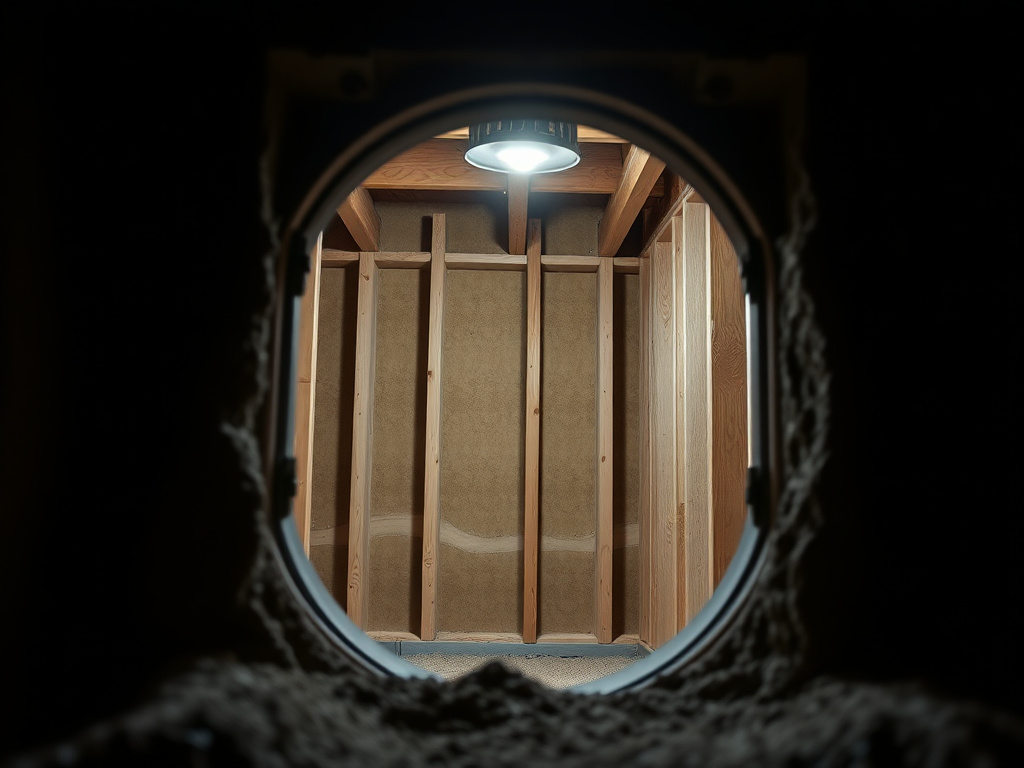
If you've owned a home in a flat, low-desert Arizona city before moving to Sedona, the crawl space under your current house might be a new experience. It's not a coincidence, and it's a direct result of the terrain: Sedona's red-rock lots are sloped and rocky far more often than they're flat, and builders here frequently choose stem-wall foundations with a crawl space underneath rather than a simple slab-on-grade.
Why terrain drives foundation type
A slab-on-grade foundation works best on relatively flat, stable ground — the kind of lot that's common in Phoenix or Mesa but far less common in Sedona and the surrounding Verde Valley. On a sloped or rocky lot, a stem-wall foundation that raises the home above grade, leaving an accessible crawl space underneath, is often the more practical and structurally sound choice. This shows up across a wide range of Sedona-area homes — from older, established houses to many custom hillside builds designed around a view.
What an unsealed crawl space actually costs you
- Cold floors — an unsealed crawl space lets cold outside air settle directly under your living space in winter, and that cold transfers straight up through an uninsulated floor assembly
- Higher heating runtime — the HVAC system works harder to compensate for heat loss through the floor
- Moisture and humidity issues — crawl spaces are often where condensation, musty odor, and on older homes, beam rot or post problems first appear
- Pest and air-quality concerns — an open, unsealed crawl space is an easy entry point for both
What actually fixes it
Closed-cell spray foam applied to the crawl-space walls (and rim joist where accessible) insulates and air-seals the space while resisting the moisture that's common in a below-grade or semi-below-grade assembly. We typically recommend closed-cell specifically for this application, given its vapor-retarding properties and resistance to the humidity swings a crawl space experiences. Some crawl spaces also need vapor-barrier work or ventilation correction addressed at the same time — we assess that honestly rather than just spraying foam over an existing moisture problem.
What to expect from the project
Crawl-space insulation is typically one of the more contained projects we do — a half-day to full-day job depending on square footage and access. Clearance and hatch access vary a lot by home, which is part of why we assess in person rather than quote blind. It's also one of the projects homeowners notice fastest, since the affected rooms — usually whatever sits directly above the crawl space — go from consistently cold to genuinely comfortable.
Frequently asked questions
The most noticeable improvement is usually in the room(s) directly above the crawl space — cold floors and drafts specifically. There's typically some whole-home benefit too, since a leaky crawl space affects overall air-sealing, but the fastest, most obvious difference shows up in the specific rooms sitting over the treated area.
No — it depends on the specific lot and how it was built. Sedona's sloped topography means builders choose between stem-wall (crawl-space) and slab-on-grade foundations based on the individual site's incline, so both foundation types are common here, unlike a flat market where one type dominates almost entirely.
Ready for a free quote?
Tell us about your home and we'll build a clear, no-pressure quote.